
6 articles
Geopolitics and Global Power
Readable explainers on global power, trade routes, chips, energy, critical minerals, defense spending, and the infrastructure behind international politics.
These articles focus on the systems beneath the headlines: supply chains, chokepoints, industrial capacity, and strategic dependencies.
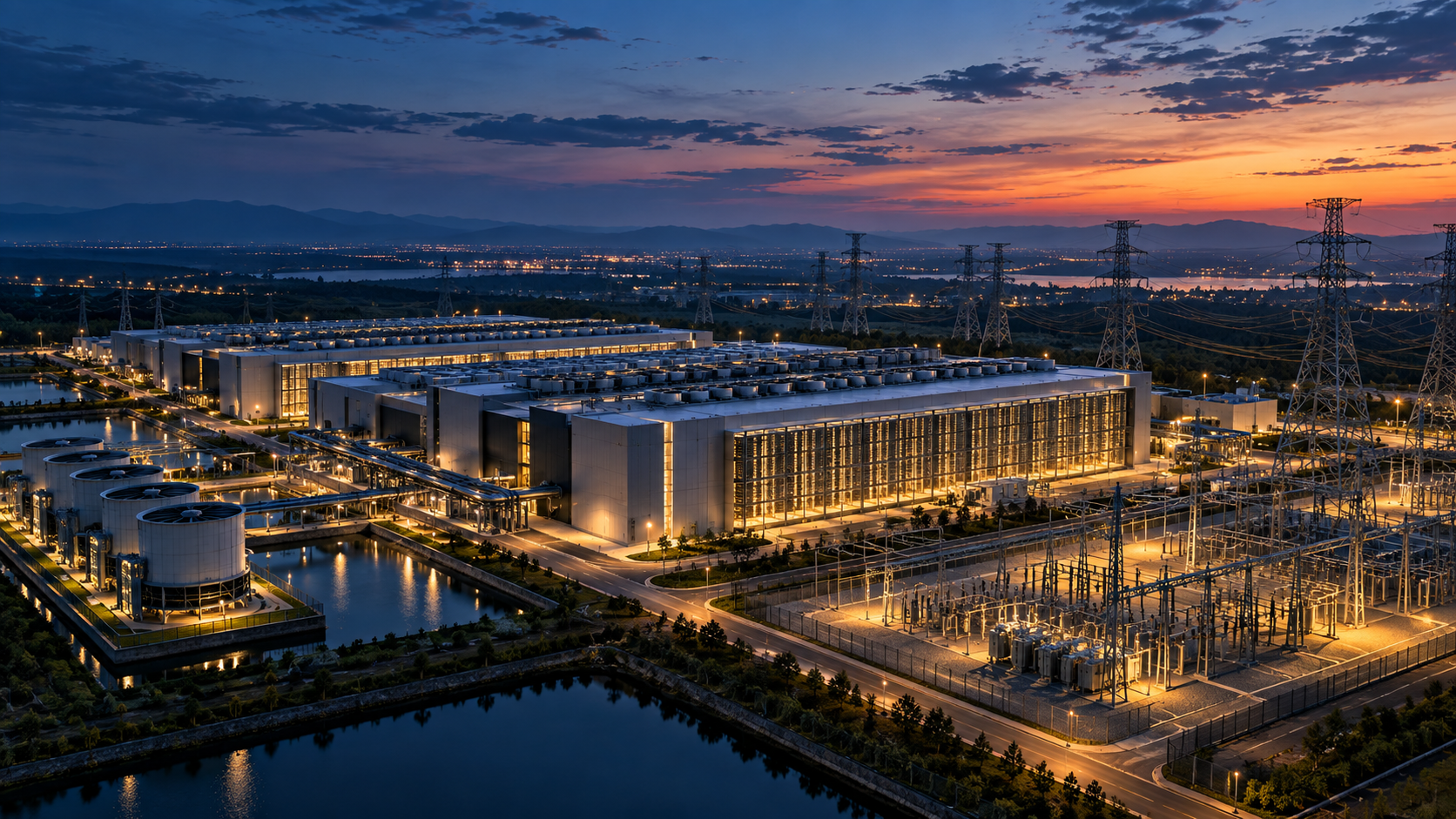
AI Data Centers Are Becoming Energy Infrastructure
The AI boom is no longer just a software story. Data centers are turning electricity, grid access, water, chips, and land into strategic constraints.
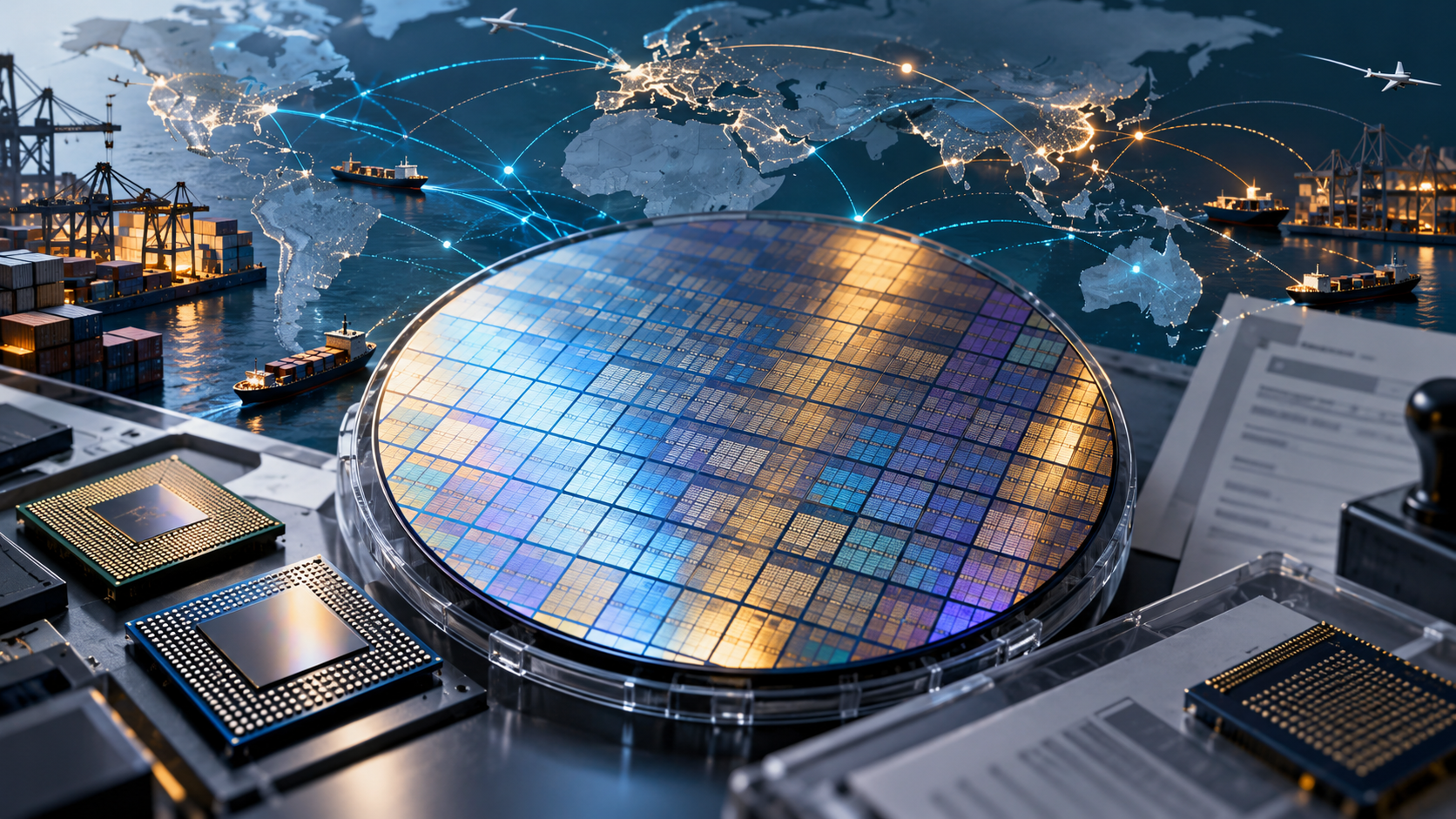
Chip Geopolitics: Why AI Depends on a Fragile Hardware Map
The AI race runs through semiconductors. Advanced chips, lithography tools, packaging, memory, and export controls now shape global power.

Critical Minerals Are the New Resource Politics
Copper, lithium, cobalt, graphite, rare earths, gallium, and germanium now sit at the center of energy, defense, AI, and industrial policy.

Shipping Chokepoints Are Where Geopolitics Becomes Expensive
The Suez Canal, Red Sea, Panama Canal, Strait of Hormuz, and Malacca Strait show why global trade is resilient until one route breaks.
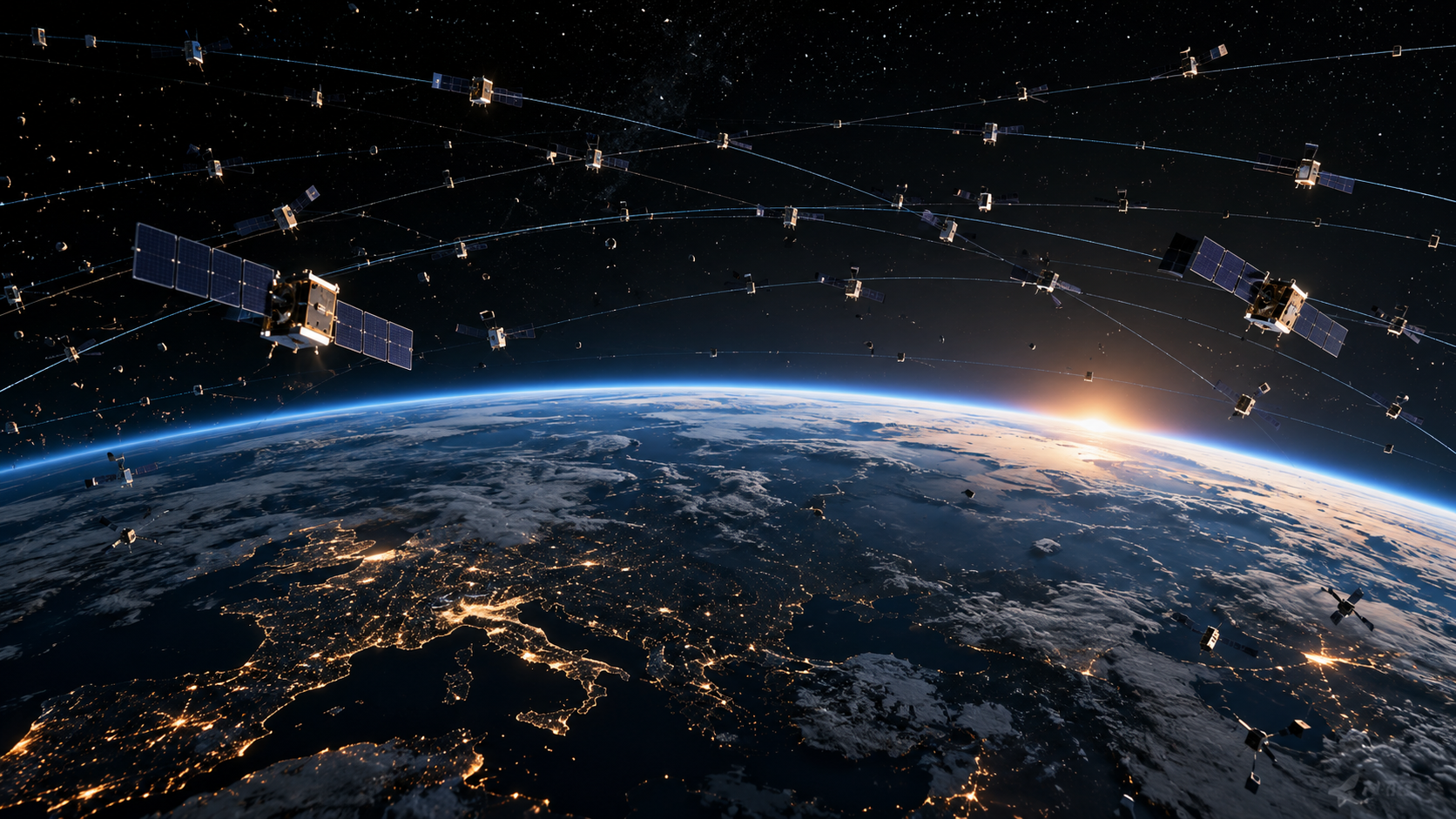
Space Is Becoming the Next Geopolitical Layer
Low Earth orbit is filling with satellites. Broadband, GPS, imaging, military systems, and space debris are turning orbit into infrastructure.
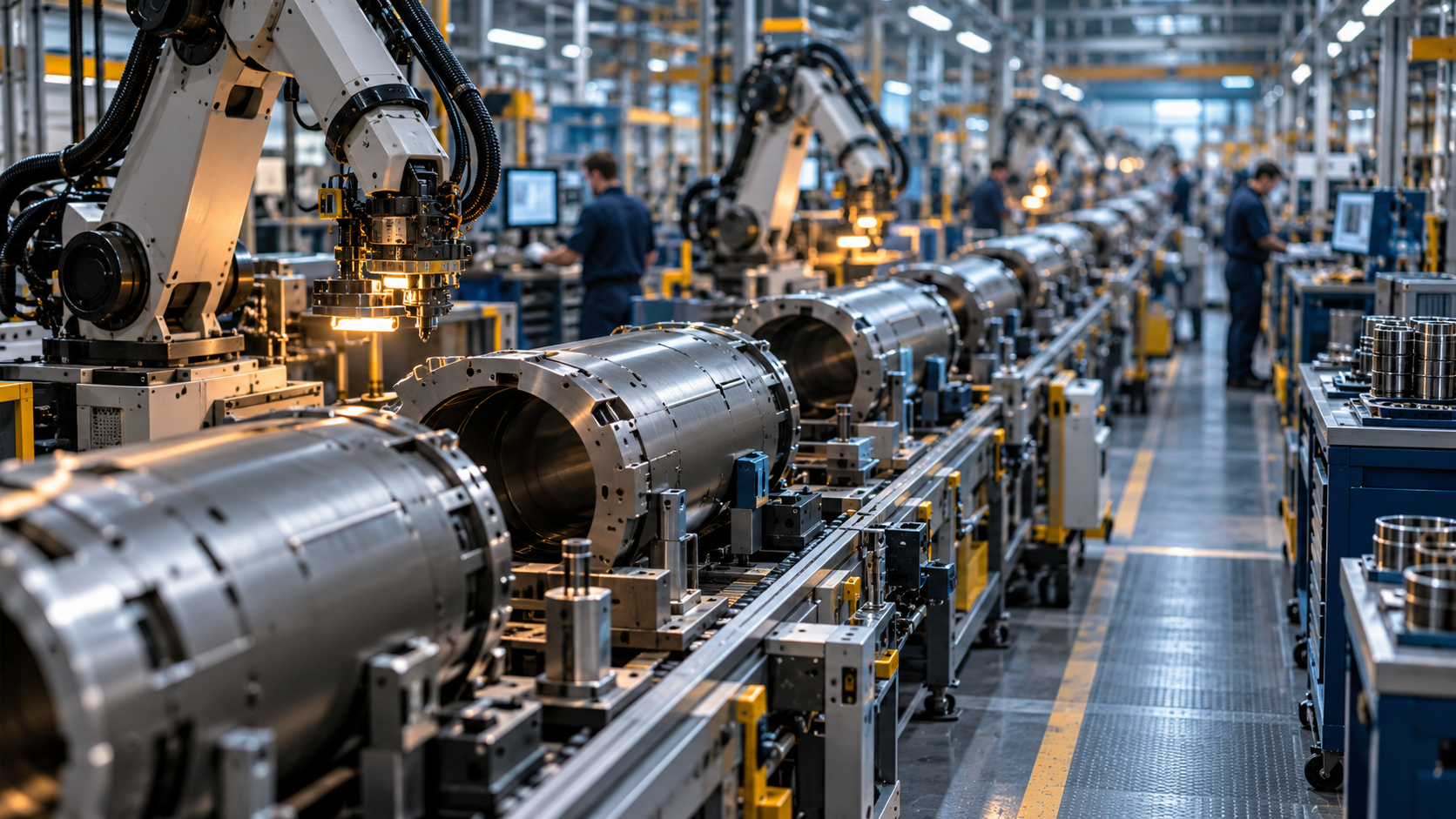
Defense Spending Is Becoming an Industrial Policy Story
Military budgets are rising, but the harder question is whether countries can produce enough ships, missiles, drones, shells, chips, and spare parts.