
6 articles
Energy Technology and Power Systems
Explanations of energy technology, grids, heat pumps, solar economics, nuclear reactors, data centers, and the politics of powering modern life.
Energy stories are rarely just about technology; they are also about cost, reliability, geography, and politics.
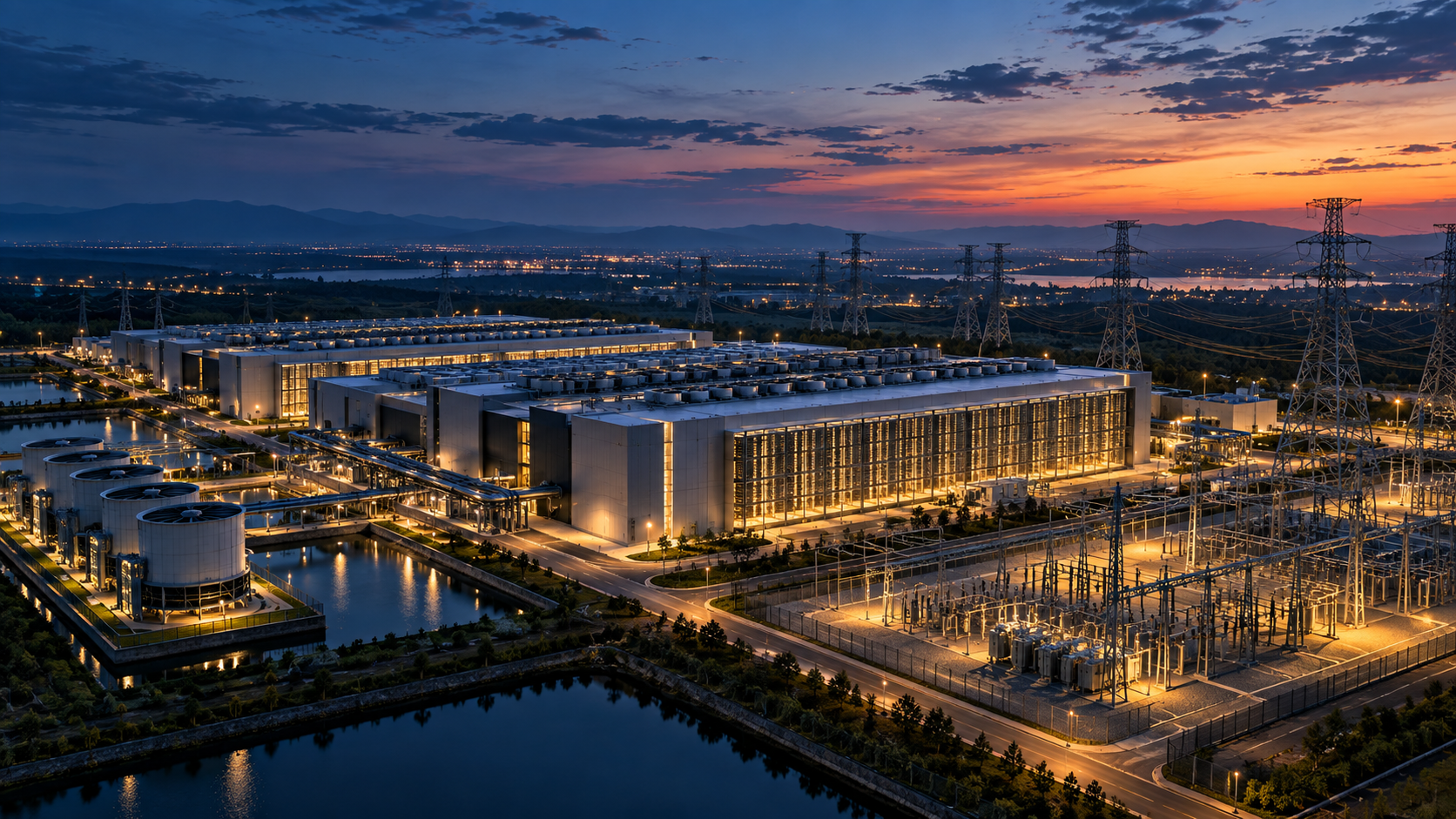
AI Data Centers Are Becoming Energy Infrastructure
The AI boom is no longer just a software story. Data centers are turning electricity, grid access, water, chips, and land into strategic constraints.
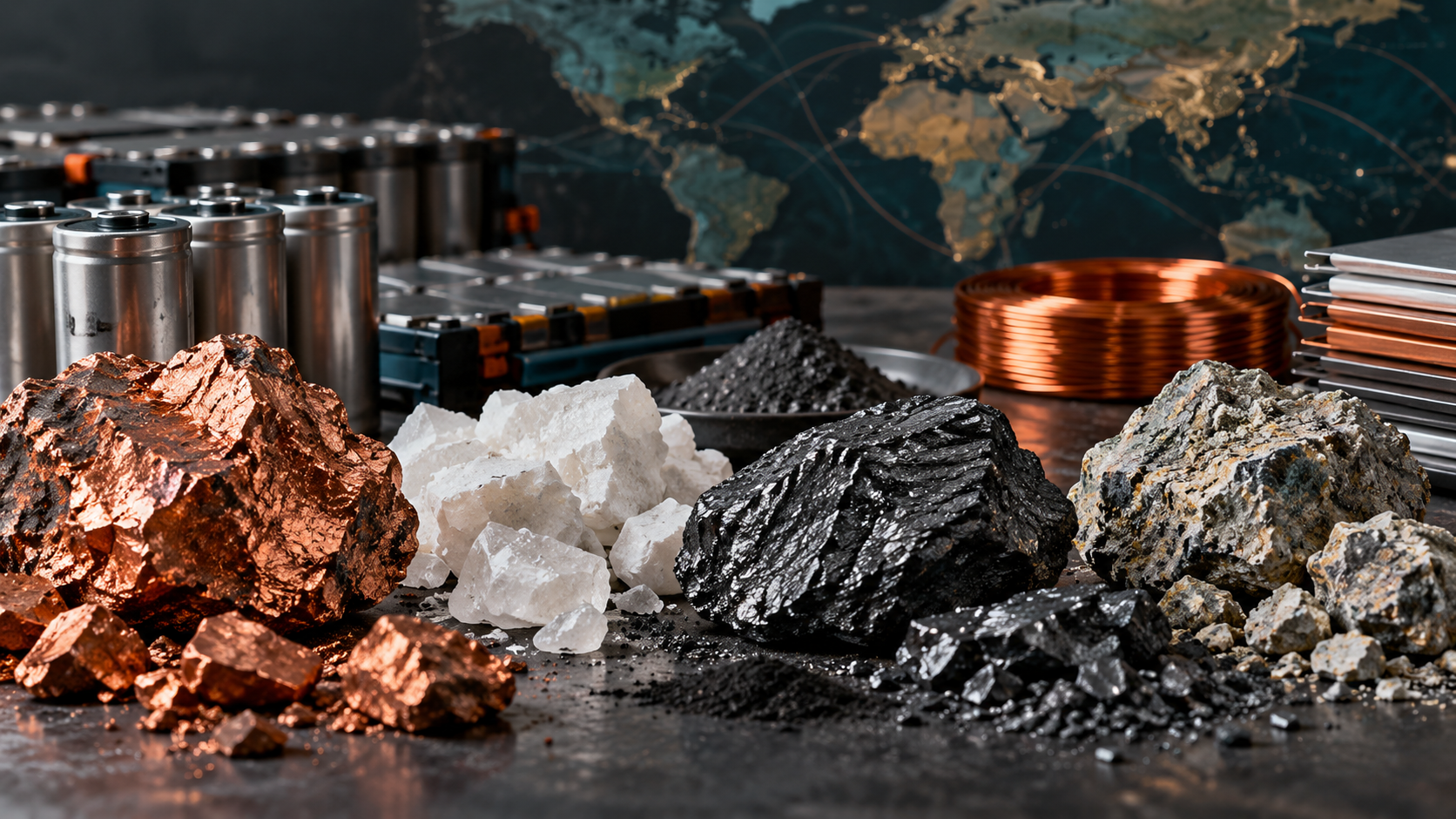
Critical Minerals Are the New Resource Politics
Copper, lithium, cobalt, graphite, rare earths, gallium, and germanium now sit at the center of energy, defense, AI, and industrial policy.
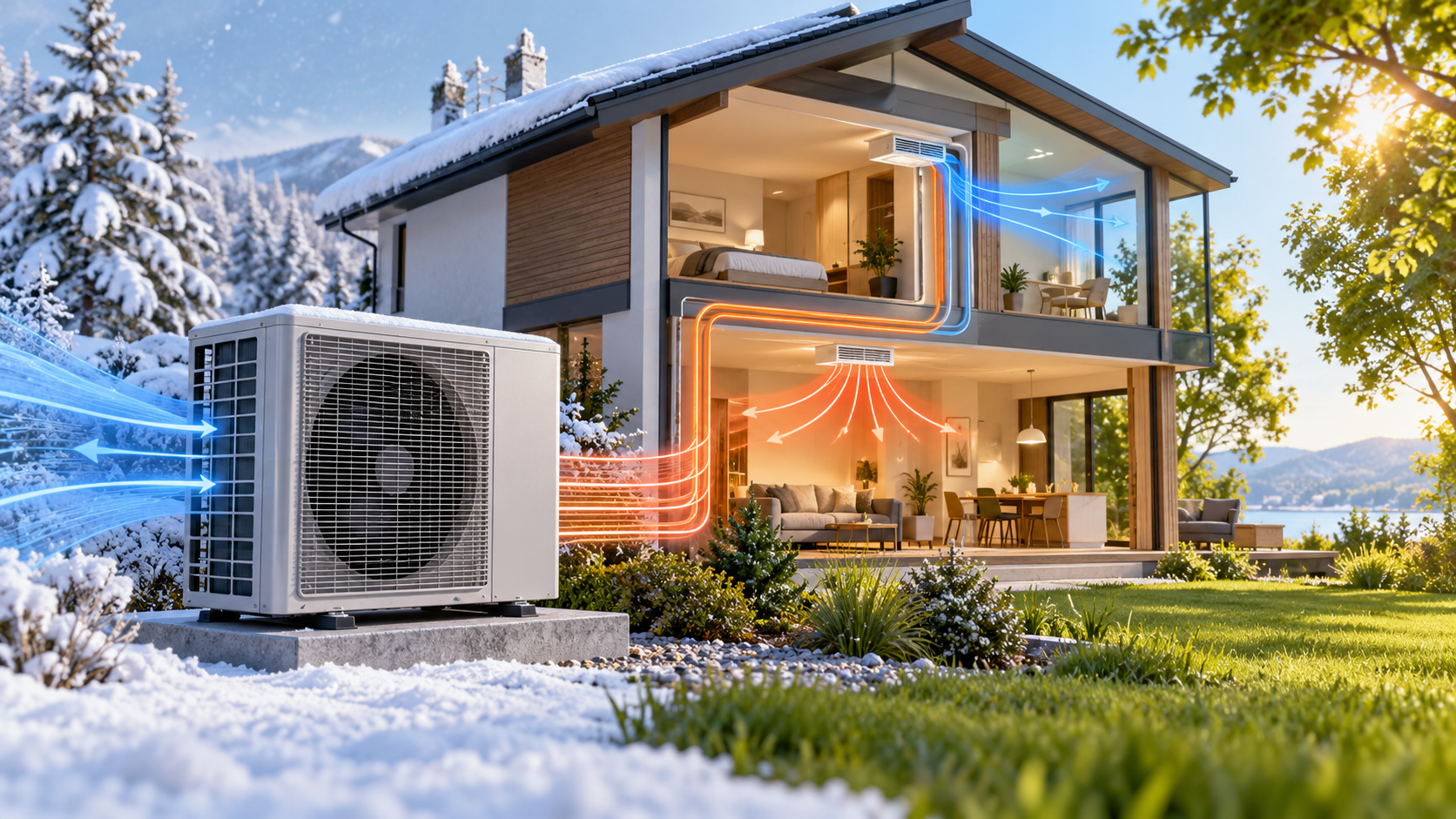
Heat Pumps Explained: The Weirdly Efficient Machine in More Homes
Heat pumps do not create heat the way furnaces do. They move it, which is why one machine can heat, cool, and use less energy.
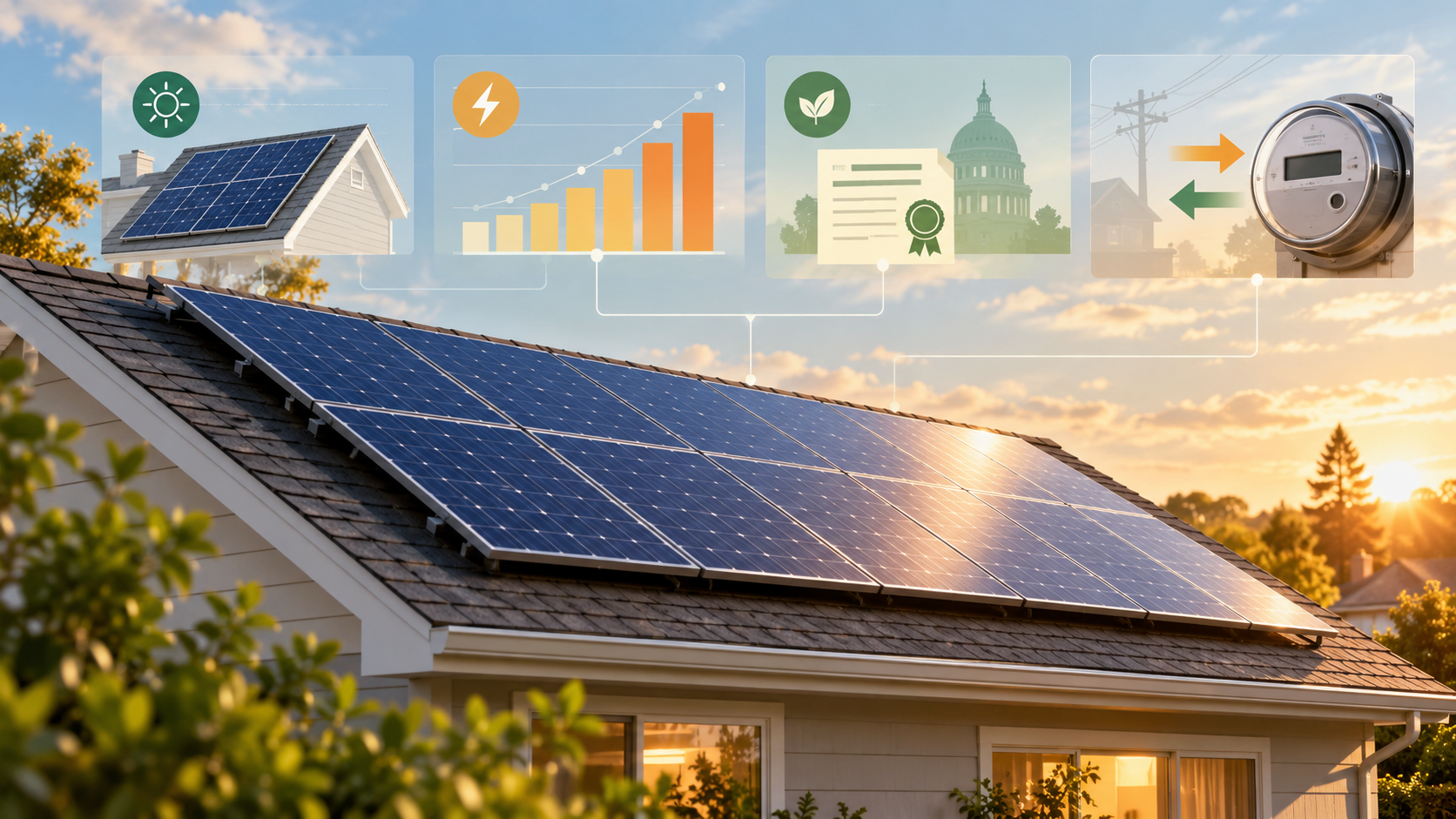
Do Solar Panels Pay for Themselves? The Real Variables
Solar payback depends on electricity prices, roof shape, incentives, financing, and net metering. The answer is local, not universal.
How a Nuclear Reactor Works, Without the Jargon
Nuclear power generates 10% of the world's electricity. Most people have a vague and often inaccurate picture of what happens inside a reactor. Here's the real version.
The Power Grid Has to Balance Supply and Demand Every Second. Here's How.
Electricity can't be stored at scale. Every joule generated has to be consumed instantly. The system that keeps this in balance is more elegant than most people realize.