
11 articles
Health Evidence and Medicine
Evidence-minded health explainers covering medicine, sleep, supplements, vaccines, microplastics, placebo effects, and everyday health claims.
The goal is to separate useful context from overconfident wellness advice, with plain-language explanations of what evidence can and cannot say.
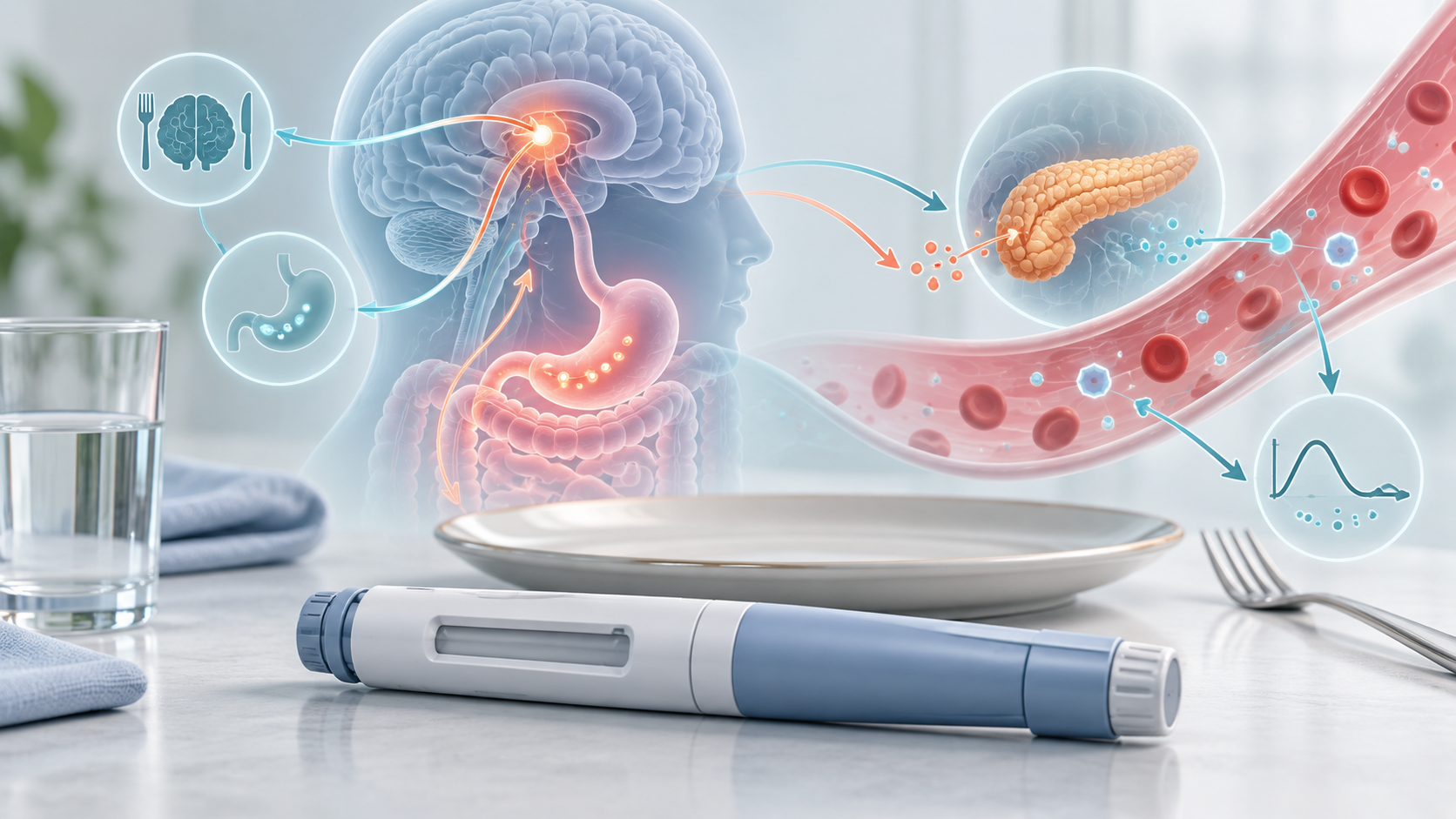
GLP-1 Drugs Explained Without the Miracle Language
Ozempic, Wegovy, Mounjaro, and Zepbound changed weight-loss medicine. The science is real, but the story is more complicated than hype allows.

Microplastics Are in Us. What Does That Actually Mean?
Microplastics have been detected in human tissues, blood, and organs. The open question is not whether exposure exists, but what risk it creates.
How Antibiotic Resistance Actually Develops — And Why It's Your Doctor's Problem Too
Antibiotic resistance is framed as a problem caused by patients not finishing their courses. The reality is more complicated, more systemic, and more alarming.
Humans Are Built to Run Long Distances. Almost No Other Primate Is.
Running a marathon is genuinely one of the things human bodies are best at, relative to other species. Here's the evolutionary biology of why.
How Vaccines Actually Work — Beyond 'Training the Immune System'
The standard explanation of vaccines is accurate but shallow. The actual immunology is more precise, more interesting, and more useful to understand.
The Placebo Effect Is Real. The Explanation Is More Interesting Than You Think.
Placebos aren't just people imagining they feel better. They produce measurable biological changes. The science of why is reshaping how we think about medicine.
How Anesthesia Actually Works (Doctors Are Still Not Entirely Sure)
General anesthesia has been used for over 170 years. It works reliably and safely. And yet the precise mechanism by which it renders a person unconscious remains genuinely unsolved.
Creatine Is the Most Studied Sports Supplement. Here's What It Actually Does.
Creatine has decades of research behind it. The findings are clearer than almost any other supplement. Most people still misunderstand what it does and doesn't do.
Sleep Debt Is Real. What You've Been Told About 'Catching Up' Is Not.
The science of sleep deprivation is more alarming than most people realize — and the popular belief that weekend sleep fixes the week's deficit is largely wrong.
Magnesium Supplements: What the Research Actually Shows
Everyone is taking magnesium. Some of them should be. Most of them are probably wasting money. Here's an honest breakdown of the evidence, claim by claim.
Vitamin D: The Supplement With the Most Hype and the Most Complicated Evidence
Half the developed world takes vitamin D supplements. The research on whether they should is more complicated than the packaging implies.